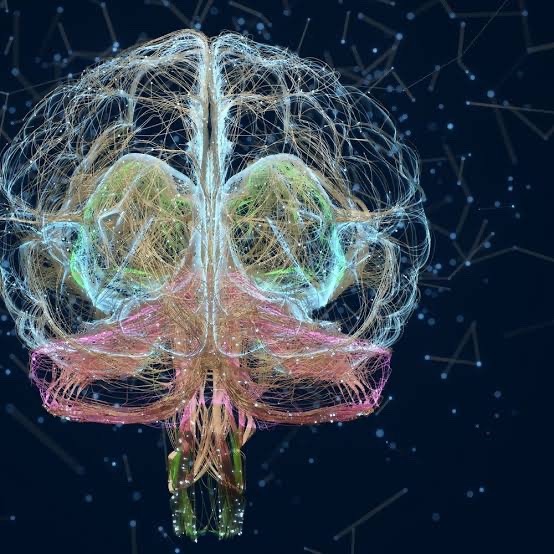
Constant exposure to the mental turbulence of screen time is exhausting. Triggering stress responses as invasive as realtime scenarios, the environment of modern information is nothing short of toxic. The flood of incessant notifications, divisive content, and doom scrolling drives the senses to their limit. Yoga offers a clear way out of that loop.
Inside Screen Stress
Screens, especially shock algorithms, tax a part of the brain called the amygdala. The brain’s primary alarm system scans your environment (as well as your thoughts) for threats. It’s responsible for enlisting the fight-or-flight response when danger lurks and fires chemical impulses before it even registers with the higher brain. This fast, crude, but life-saving shortcut bypasses the preciseness of intelligent processing. Therefore, it is not very selective.
Meet Your Amygdala
The primitive amygdala has its place in the brain in terms of self-preservation, but does not distinguish between real, virtual or imagined threats. Hostile views, outrage and uncertainty alarms the amygdala as would a physical assault. What’s more disturbing, is taking advantage of this unevolved aspect of the brain as a marketing tool. “Rage bait” targets the amygdala maximizing viewer attention to generate profits in feedback, clicks, and shares.
The Outrage Loop. Anger and fear are the most neurologically reactive emotions. When you see a post that provokes moral disapproval or social indignation, the amygdala fires, cortisol rises, and attention narrows. You keep scrolling partly because the nervous system is now ultra wired to seek resolution that never fully comes.
Social Threats vs Physical Threats. Because humans are intensely social creatures, the amygdala treats social rejection, status threats, and group conflict as survival-level dangers. Seeing unfriendly comments, exclusion, or witnessing someone publicly humiliated ignites the same neurological clapback as predator detection. An angry reply can feel as intense as a sucker punch.
Unpredictable Rewards. The variables of how a media post will be liked or not, keeps the amygdala in a low-grade state of anxiety. As mentioned, the lack of resolution strains the nervous system.
Volume and Speed. In any given hour, scrolling dozens of troubling stories, tragedies, and controversies would have taken months to encounter offline. The amygdala processes each internet onslaught as present and real. Researchers have linked this chronic over-activation to hyper-vigilance, reduced empathy, and impaired prefrontal processing over time.
Yoga to the Rescue
The resulting uneasiness in this preoccupation with negative bias is costly. Paid in frayed nerves and disrupted sleep, there are ways to stop the insanity. You can start with a simple yogic breath.
Pranayama. Yoga’s conscious breathing interrupts the pull of the amygdala’s fear factor. By activating the parasympathetic nervous system’s “rest and digest” response with slow extended exhalations, the brain is signaled that the threat has passed.
Asana. Yoga postures move stored tension out of the body. Stress isn’t just upstairs, it manifests physiologically as well. Tension accumulates especially in the jaw, shoulders, chest and hips. Eventually, causing cellular, structural and muscular instability. Other responses come in the form of inflammation like aches and pains, disease and immobility. The somatic elixir of a gentle yoga sequence restores the body and mind connection.
Mindfulness. Monitoring physical movement builds interoception, (the practice of noticing internal sensations.) Combined with mindfulness, (paying attention to the present moment) leads to the peace and quiet of a better night’s sleep.
When your baseline shifts from sensory overload to feeling securely grounded, experiencing the world without collapsing into one existential threat after another is a tranquil liberation.
Intentional Media Relationship
Having moved from passive reactive consumption to an intentional approach when getting online is incremental. Small changes compound quickly transforming your relationship with all kinds of interactive platforms. Here are a few tips:
- Notice framing. Who benefits from presenting content as a conflict? Is this manufactured outrage? Consciously stepping back reduces reactiveness.
- Anxiety drives helplessness. If a story affects you, channel it into something proactive. Make a donation, write a letter. Action restores a sense of agency.
- Curate your feed deliberately. Unfollow or mute accounts that spike your stress.
- Take care of your nervous system. After heavy media usage, get on your yoga mat, take a shower, or go for a walk. Shift your thoughts to an uplifting conversation or book.
- Designate times to completely remove yourself from all screens.
The mind/body practices of yoga can reverse media fatigue’s high sensory overload your amygdala is not designed to handle. The intervention of conscious awareness is pivotal in navigating symbolic threats often unresolvable. It is possible to escape the bait once you notice what the mighty amygdala cannot. The rest of yourself will thank you for it.
The goal is not to be uninformed, it’s to connect without being consumed.
As always, seek the advice of a healthcare professional for questions regarding a medical condition or concern.
Published: Om Magazine May 2026